
MMTA

NeurIPS 2026 · Evaluations and Datasets Track · Poster

MMTA: Benchmarking Multimodal Temporal Analysis with Time Series, Text, and Vision

Ziyang Zhang1,2*, Shenyi Li2*, Yilin Wang2, Ziyun Cui1, Bowen Zhou2, Wen Wu2, Chao Zhang1,2†

1Tsinghua University   2Shanghai Artificial Intelligence Laboratory
*Equal contribution   †Corresponding author

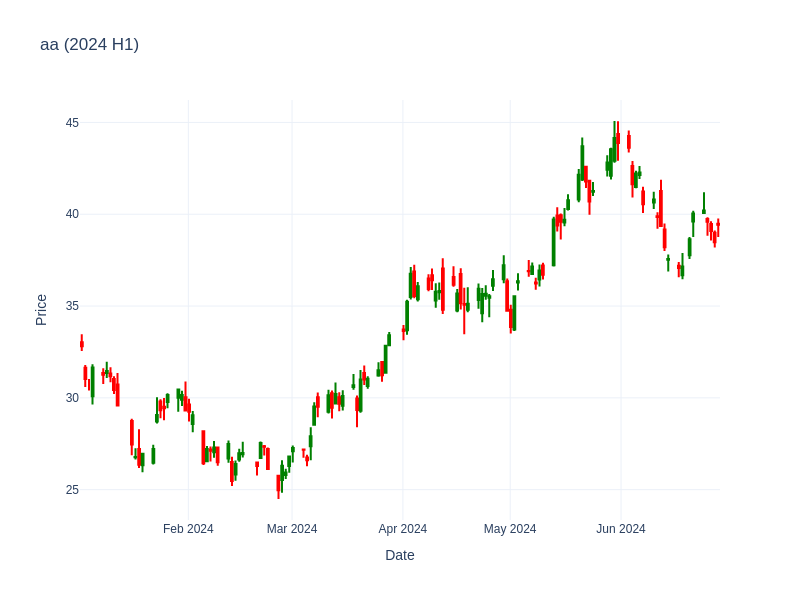
Candlestick chart for a financial forecasting example
Financial chart + price series
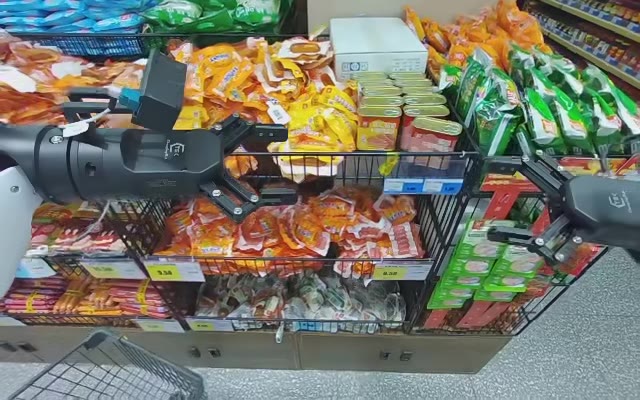
Robot manipulation video frame
Robot video + sensor traces
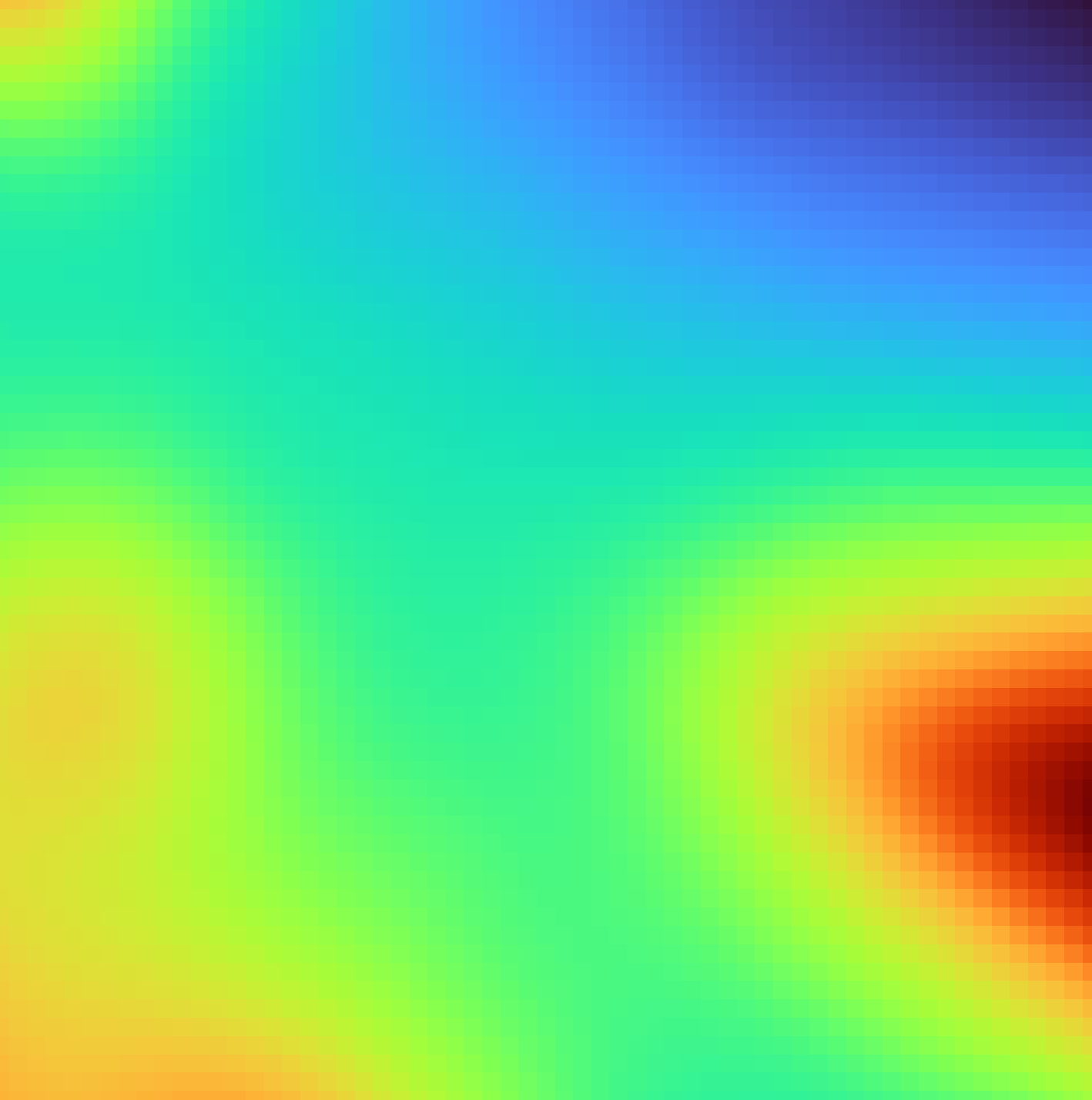
Satellite map tile for a geospatial forecasting example
Geospatial imagery + climate series

Paper Abstract

Abstract

Time-series analysis is increasingly studied in multimodal settings, yet most benchmarks pair temporal signals with text or with visualizations derived from the same signal. This leaves open whether multimodal large language models (MLLMs) can integrate time series with real-world visual evidence.

We introduce MMTA (multimodal temporal analysis), a benchmark of tri-modal tasks with diverse cross-modal complementarity patterns among time series, text, and vision. MMTA spans nine domains: robotics, autonomous driving, human action, manufacturing, AR assistance, healthcare, recommendation, finance, and climate, under video+TS and image+TS layouts, with a 3,524-sample test split covering classification and forecasting. The benchmark standardizes heterogeneous real-world sources into a shared schema with domain-specific prompts, provenance documentation, and success-weighted metrics that penalize both wrong answers and failed generations. Evaluating eight open-source and proprietary MLLMs reveals a shared bottleneck: representing time series as text creates very long token sequences and weakens fine-grained alignment with visual evidence, especially in long-video settings.

We then introduce TimeOmni-v, a multimodal LLM extension with a dedicated time-series encoder, temporal positional alignment, modality-aware token layout, and a forecasting head. TimeOmni-v improves long-video classification and time-series inference efficiency, showing that MMTA not only exposes representation and grounding failures but also motivates targeted model design.

Benchmark Scope

Multimodal Temporal Analysis With Vision, Text, and Time Series

MMTA collects tri-modal tasks with diverse cross-modal complementarity patterns across nine real-world domains.

4image-grounded domains
5video-grounded domains
2task families: forecasting and classification
9representative examples below

Static Visual Evidence

Image and Chart Grounded Tasks

Each example pairs visual context with an aligned time series and a concrete target output.

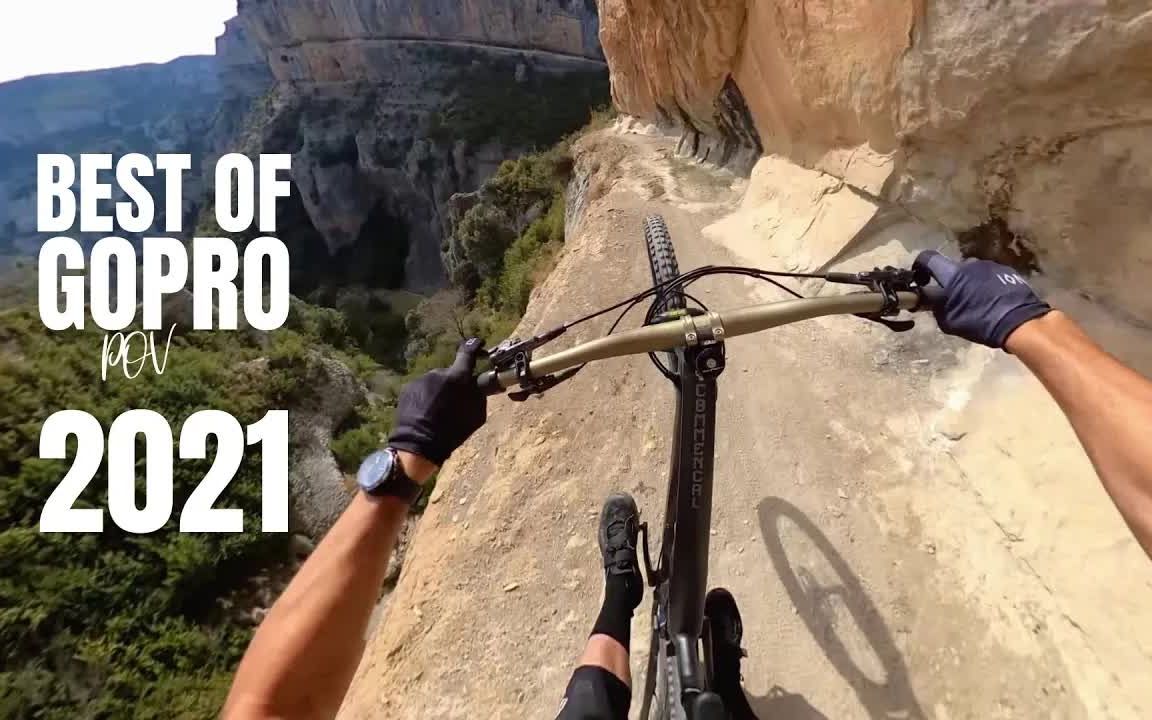
PixelRec video cover featuring a mountain biking scene

PixelRec

Cover-aware interaction forecasting

Given an item cover, title metadata, and daily interaction counts, forecast the next six daily values.

Sample
pixelrec_test200_6_0c20bebda4
Context
Sports Mix item: "Best of GoPro POV 2021" style mountain biking content.
Target
Predict 2022-03-10 to 2022-03-15 interaction counts.
Reference
3, 5, 18, 5, 1, 1
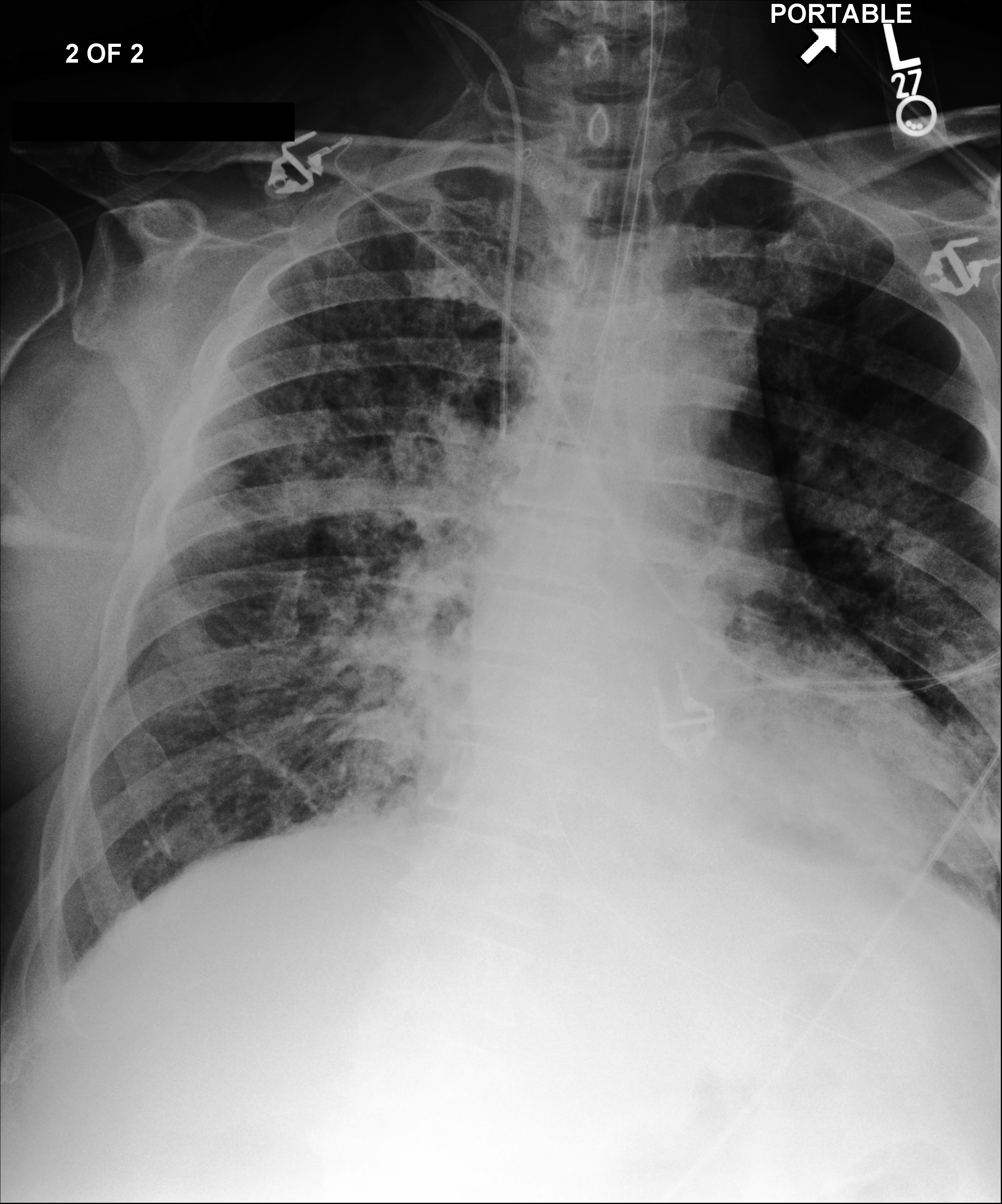
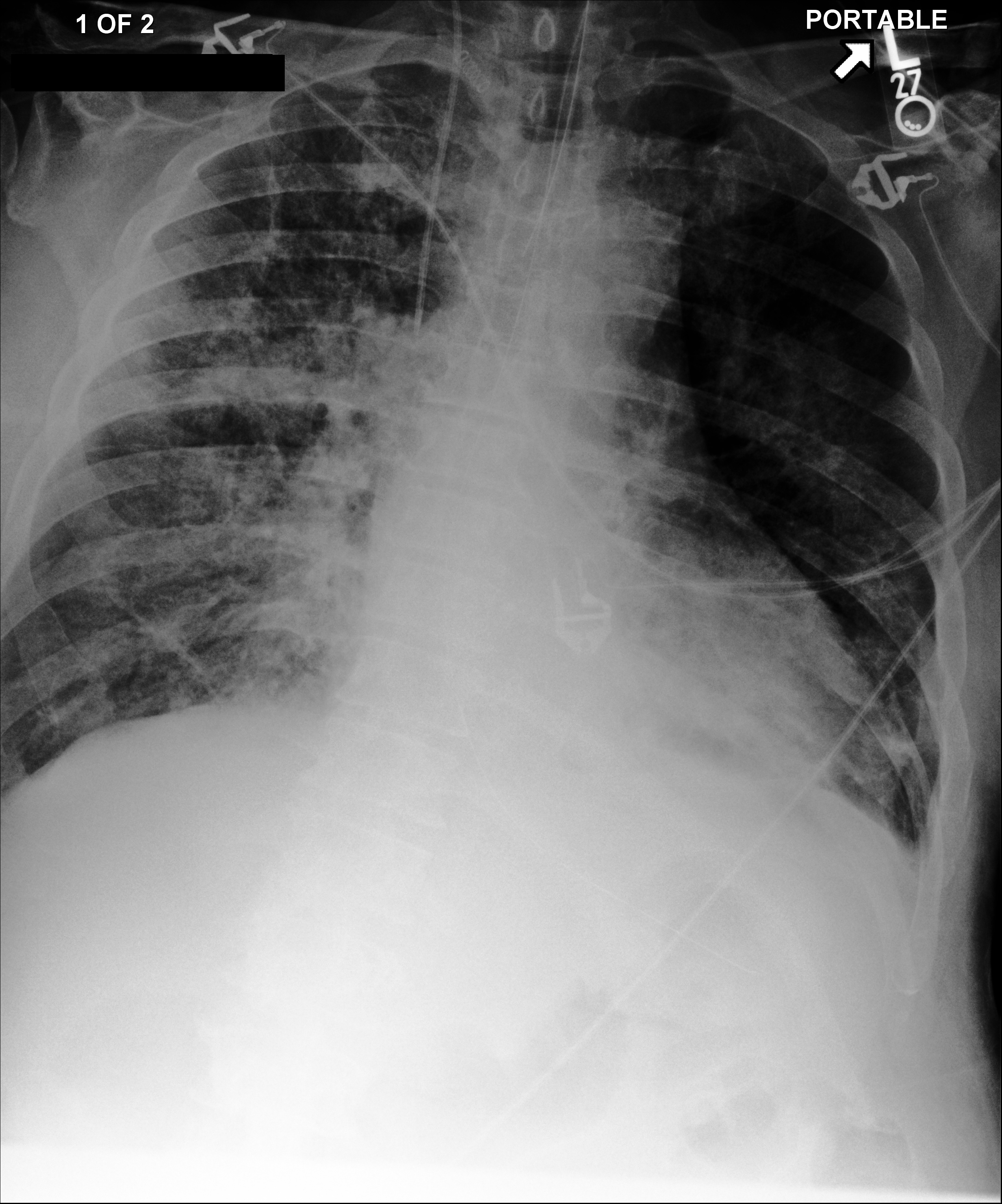
First MIMIC chest X-ray image Second MIMIC chest X-ray image

MIMIC

Clinical outcome classification

Use chest X-ray images, a radiology report, and vital signs from a lookback window to answer a discharge question.

Sample
mimic_disch_test_2_f93aee762d
Question
Will the patient be discharged within the next 48 hours after the anchor time?
Options
A. Yes. B. No.
Reference
A
S&P 500 stock candlestick chart for AA in 2024 H1

S&P 500

Financial forecasting with chart evidence

Forecast future prices from a candlestick image, recent news summaries, and historical close values.

Sample
sp500_test200_1_acfbf19108
Asset
AA, 2024 H1 historical chart.
Target
Forecast 12 trading days from 2024-07-01 to 2024-07-17.
Reference
Starts at 39.35 and ends at 36.48.
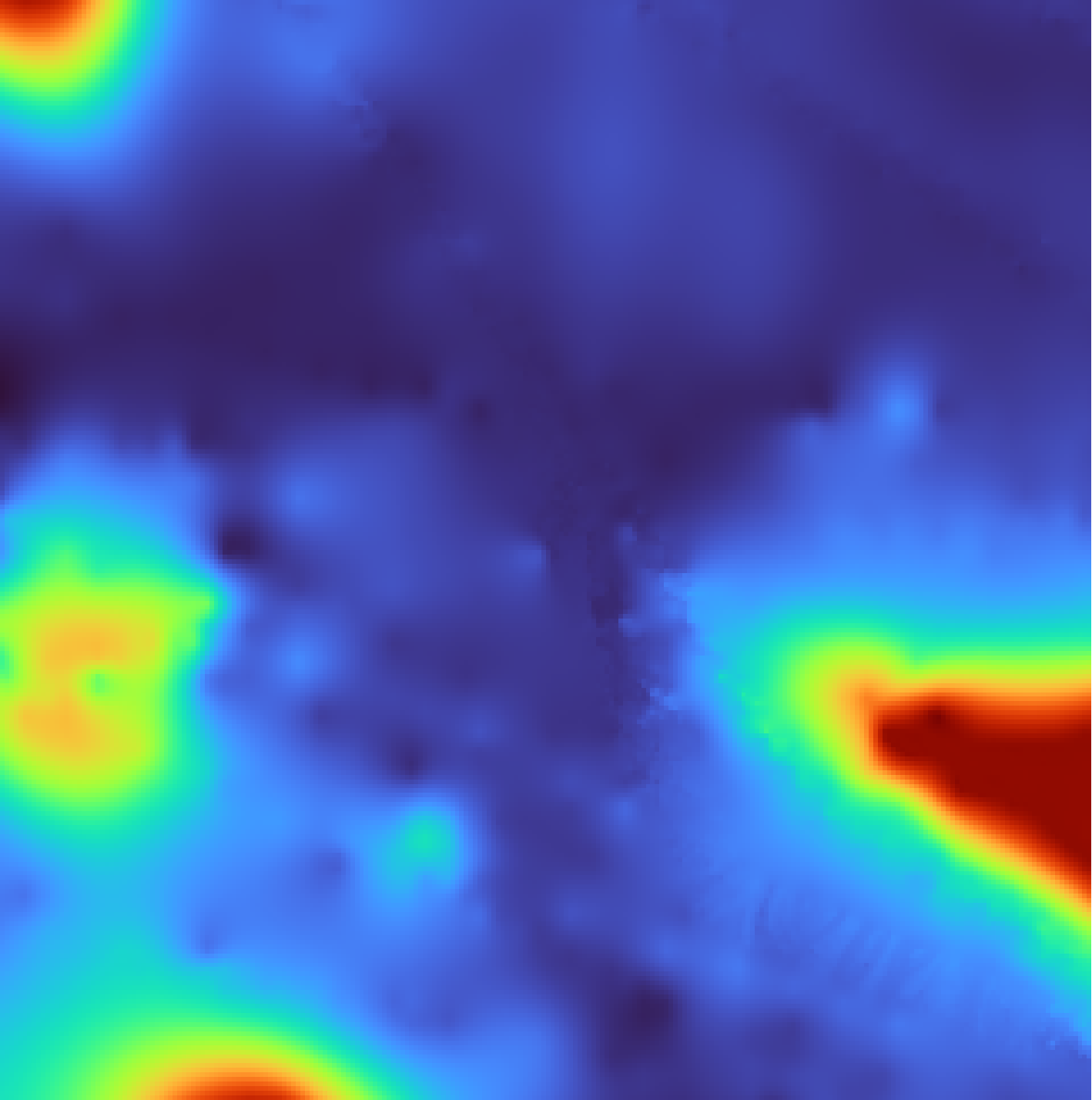
Terra satellite image for 10N 166E
Satellite
Terra relief image for 10N 166E
Relief
Terra vertical gravity gradient image for 10N 166E
VGG
Terra geoid image for 10N 166E
Geoid

Terra

Geospatial multivariate forecasting

Forecast climate variables for a 1 degree by 1 degree grid cell using static geophysical layers and 100 days of multivariate history.

Sample
terra_test200_1_1ccbc81d48
Grid
10N_166E, Pacific Ocean cell.
Variables
lwd, precipitation, pressure, relative humidity, specific humidity, temperature, wind.
Target
Forecast 20 daily multivariate rows from 2023-12-12 to 2023-12-31.

Temporal Visual Evidence

Video and Sensor Grounded Tasks

Video segments are paired with synchronized numeric traces and task-specific question formats.

AgiBot

Robot anomaly-cause classification

Determine the anomaly category from a robot shelf-manipulation video, step sequence, and arm-position sensor traces.

Instruction
Place pink cans and orange sausage sets from the shelf into the shopping cart.
Options
A paused. B meaningless operation. C fall. D other.
Reference
D

CoVLA

Autonomous-driving braking reason

Infer why the ego vehicle suddenly braked from a dashcam segment and aligned vehicle state signals.

Question
Why did the ego vehicle brake during the segment?
Options
A leading vehicle decelerated. B ego vehicle was making a turn. C other reason.
Reference
B

CUHK-X HAR

Human action classification

Classify a human activity using a short video segment and wearable IMU streams from chest, arms, and legs.

Sample
cuhk_x_har_test_1813_6772023832
Question
Which action category ID best matches this segment?
Reference
35, Do_lunges

Future Factories

Industrial cycle defect detection

Judge whether a rocket assembly cycle proceeds normally or contains a missing-part anomaly.

Evidence
Stitched multi-camera video, cycle report text, gripper readings, and robot joint angles.
Options
A correct. B NoNose. C NoNose, NoBody2. D NoNose, NoBody2, NoBody1.
Reference
A

HoloAssist

Egocentric procedural correctness

Decide whether all fine-grained steps inside a coarse-grained egocentric action are correct.

Action
The student changes the battery for the GoPro.
Options
A all fine-grained actions are correct. B at least one is incorrect.
Reference
A

Provenance

Data Sources

Source links for each subset.

Reference

Citation

If you use MMTA or TimeOmni-v in your research, please cite our paper.

@inproceedings{zhang2026mmta,
  title={{MMTA: Benchmarking Multimodal Temporal Analysis with Time Series, Text, and Vision}},
  author={Zhang, Ziyang and Li, Shenyi and Wang, Yilin and Cui, Ziyun and Zhou, Bowen and Wu, Wen and Zhang, Chao},
  booktitle={Proc. NeurIPS},
  address={Sydney},
  year={2026}
}